 By
By Main Street investors are grappling with emotionally driven investment decisions, which could pose a greater financial threat than the market downturn that Wall Street is predicting.
That’s according to an exclusive survey conducted by MarketWise.
“This kind of disconnect suggests investors are riding performance momentum and bracing for volatility. This type of setup often leads to sharper pullbacks when sentiment eventually turns.’
The study was conducted on December 11, 2025. The responses, gathered from 1,004 investors across various demographics, reveal heightened anxiety as recession fears linger.
Asset allocations: Cash reigns, crypto cowers
This emotional undercurrent is manifesting starkly in portfolios, where safety trumps speculation.
The MarketWise survey shows that cash still dominates, with 86 percent of investors participating with an average US$626 monthly allocation. Fifty-five percent deem it the safest asset overall.
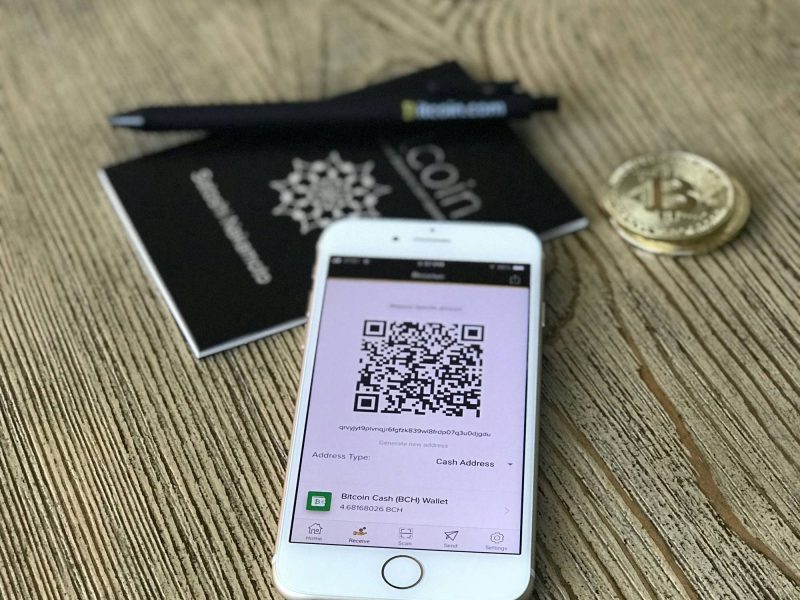
In stark contrast, crypto attracts just 35 percent participation at a meager US$92 monthly average.
“Crypto is no longer the ‘Wild West,’ but investor confidence hasn’t caught up to regulatory clarity. Fifty-four percent of investors say crypto is the asset class they’re most cautious about, and 56 percent see it as the most volatile despite reporting rules and oversight expanding,” said Royal.
Gold and commodities drew optimism from 44 percent overall, with that amount rising to 47 percent among Millennials. This sentiment aligns with the metal’s recent record surge past US$5,500 per ounce on safe-haven bids.
Stocks remain broad at 69 percent participation with an average monthly contribution of US$320; however, caution prevails for 46 percent of those surveyed, who said they feel “fearful” about stocks in 2026, mirroring 47 percent real estate wariness, despite a 23 percent holding.
Generational anxiety divide
Recession fears loom large, with three-quarters of respondents anticipating a 2026 downturn — yet 46 percent admit financial unreadiness. This number rises to 54 percent for those earning under US$75,000.
“Investor sentiment explains why panic-driven behavior persists, such as 18 percent of investors reporting that doomscrolling has already pushed them into a rushed investment decision,” Royal noted.
Forty-three percent of respondents predict emotional investing will harm their performance, while 45 percent have paused markets for mental health and 46 percent let economic and geopolitical headlines sway feelings.
“The mental tax of investing is becoming tough to ignore,” Royal added.
“Half of American investors check their portfolios at least once a day (with 9 percent doing so five or more times per day), and 51 percent feel investment stress at least monthly.”
This intensifies among youth. Sixty-one percent of Gen Z report acute investment stress, and 36 percent feel it daily or weekly, far above the average. Fear of missing out, or ‘FOMO,’ drives 17 percent of Gen Z decisions, with 42 percent overall somewhat or often impacted, highlighting impulsive trends among youth.
Meanwhile, 36 percent of Gen Z plan safety shifts versus 29 percent broadly. Millennials show parallel vulnerabilities: 21 percent admit doomscrolling panic, and 11 percent check portfolios frequently.
“Even solid fundamentals can get drowned out by headlines when investors are this emotionally fatigued. Of course, that’s when discipline matters most,” explained Royal.
Coping strategies lean toward rationality: 34 percent remind themselves markets move in cycles, and 20 percent research more to regain control. Older generations appear to show more restraint. Baby Boomers and Gen X report lower stress, with 49 percent overall “rarely” or “never” stressed versus Gen Z’s 61 percent. This generational divide — youth FOMO versus elder discipline — underscores the emotional paralysis among younger investors.
Market behavior mirrors this anxiety: 2025 Google searches for “stock market crash” hit 1.72 million, far outpacing “bull market” searches at 262,000. “Crypto crash” drew 392,000 hits, reinforcing the survey’s fear-driven sentiment.
Investor takeaway
As the gold price hits record highs and the cryptocurrency sector lags, MarketWise’s survey proves the real 2026 battle isn’t markets — it’s mastering the emotions driving them.
Securities Disclosure: I, Meagen Seatter, hold no direct investment interest in any company mentioned in this article.